
Better Sourdough
Starts Here.
Hydrate The Crust is a sourdough workshop built around the things that actually change a bake: starter strength, hydration, fermentation, shaping, proofing, scoring, and heat. Learn from tested recipes and practical tools developed at the baking bench.
Explore the Workshop
Featured Calculators
Precision tools built specifically for sourdough bakers.
Sourdough Formula
Calculator
Build and scale sourdough formulas with precise baker’s percentages.
Calculate →
Sourdough Starter
Calculator
Build and maintain your starter with the right ratios.
Calculate →
Sourdough Hydration
Calculator
Calculate true hydration including the flour and water in your starter.
Calculate →
Sourdough Timeline
Planner
Plan your bake backwards and put every stage on a practical timeline.
Calculate →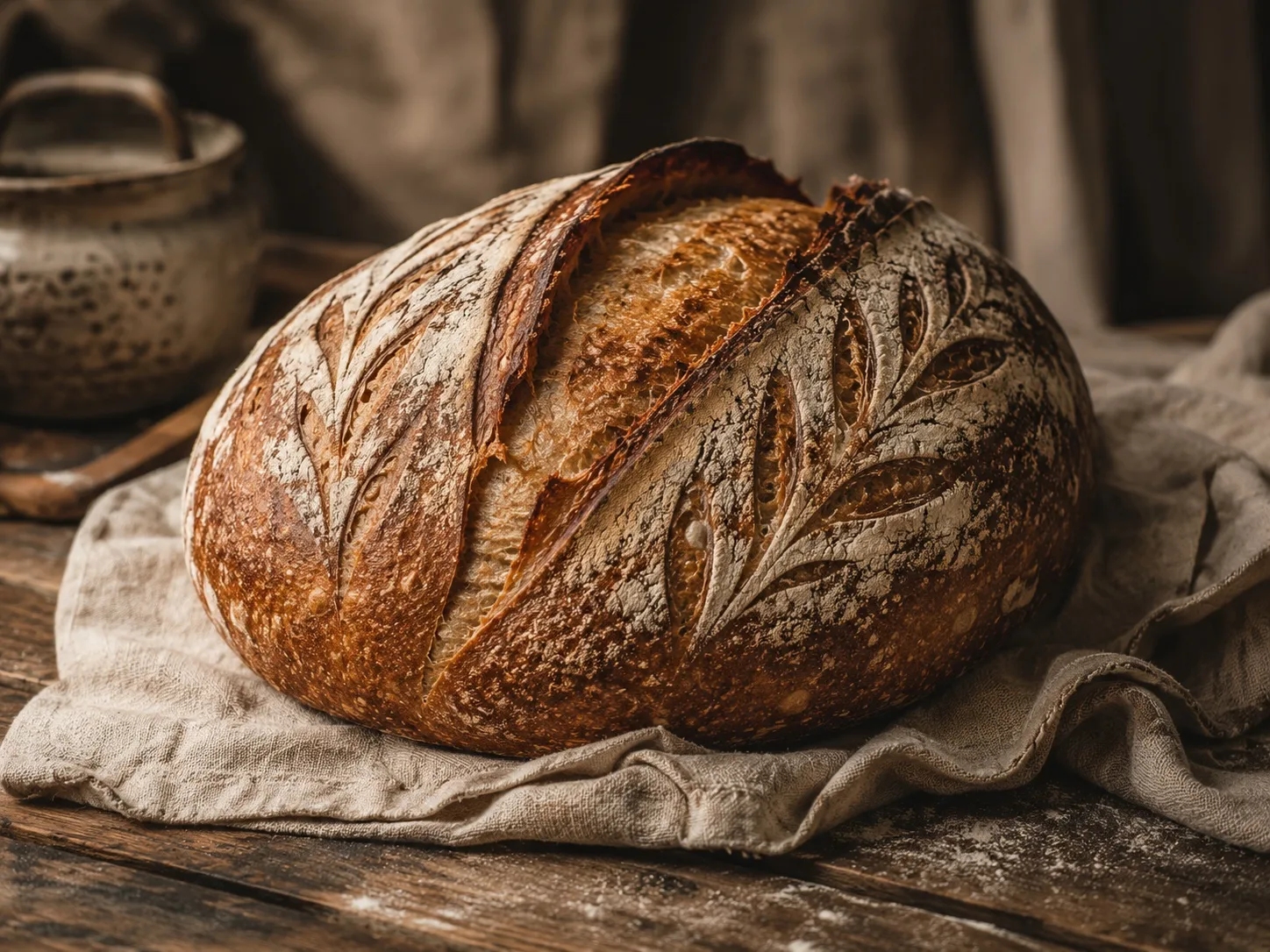

Recipes
Tested sourdough recipes from country loaves and focaccia to pretzels, pizza, cinnamon buns, and new bakery experiments.
Explore recipes →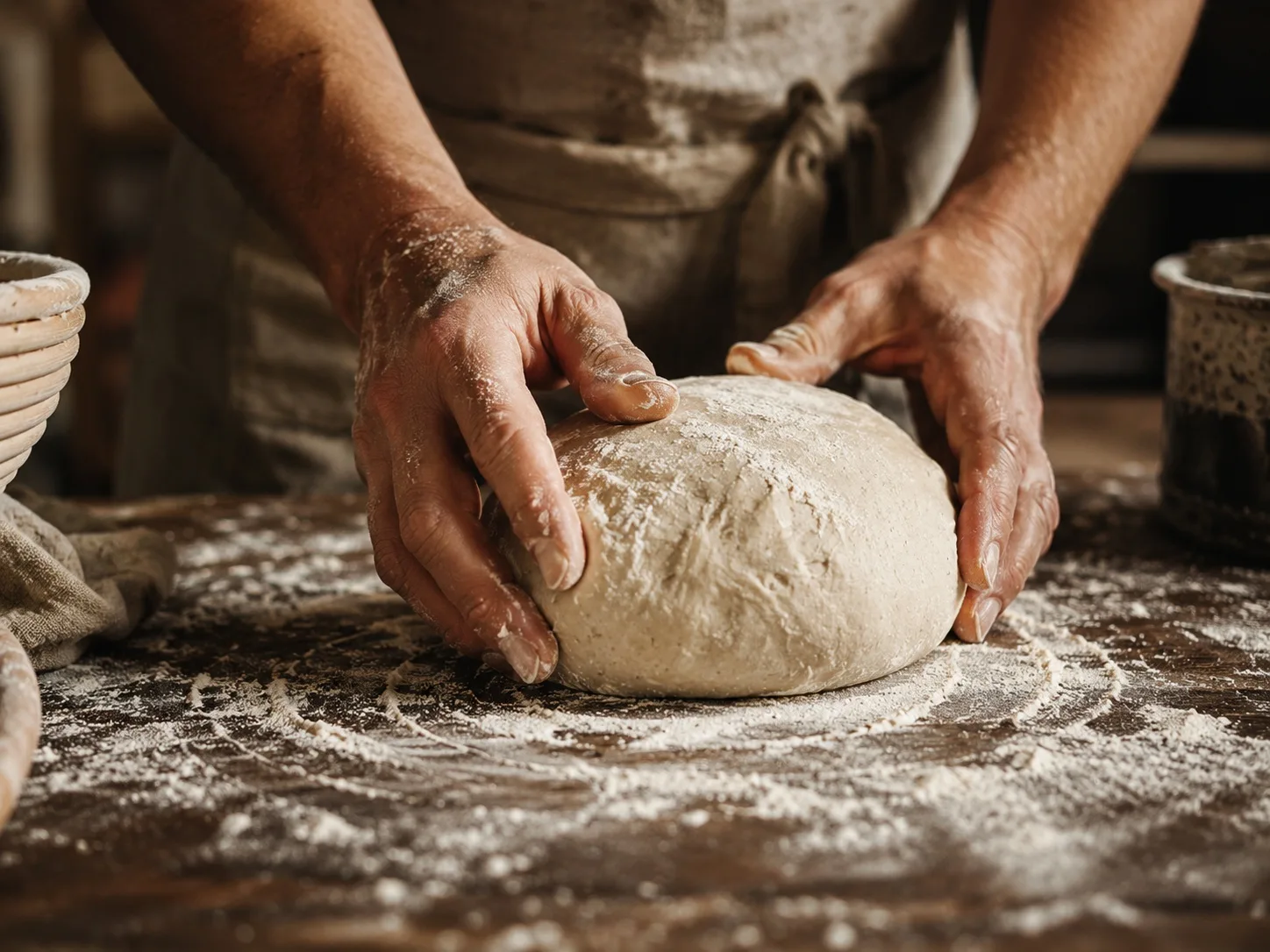
Techniques
Learn sourdough mixing, fermentation, folds, shaping, proofing, scoring, starter language, and the cues that matter.
Learn techniques →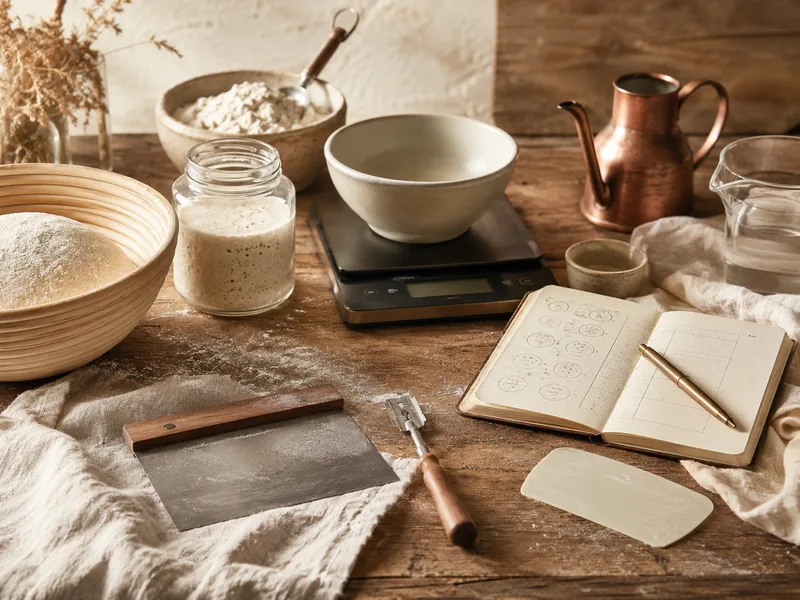
Sourdough Tools
Five free sourdough tools for hydration, dough formulas, starter feeding, bulk fermentation, and planning your bake backwards from oven time.
Open the toolkit →